
Before “Yet” Happens
Exploring the realities of the Washington family court system.
- Washington counties
- 39Washington countiesEach with Superior Court judges deciding family-court cases.
- Superior Court judges
- ~143Superior Court judgesMost first reach the bench by appointment; many with little or no domestic-violence training.
- Right to counsel
- 0Right to counselNo guaranteed lawyer in family court, even when a parent is seeking safety from abuse.
Across Washington’s thirty-nine counties, Superior Court judges hold extraordinary power over the most fragile cases—families in crisis, children at risk, survivors seeking safety.
Roughly 143 judges serve statewide, and the majority first reach the bench through gubernatorial appointment, while others are elected by the public. Many arrive on the family-law bench with little to no formal training in domestic violence, coercive control, or the hidden trauma of familial sexual abuse.
Under Washington’s broad discretionary family-court laws, those gaps in training matter—because when interpretation varies from bench to bench, bias can shape outcomes, and children’s safety is placed at risk.
Guardians ad Litem and the gaps in the system
Many Guardians ad Litem lack the expertise, training, and time needed to truly assess safety from the child’s perspective. That leaves dangerous gaps—reports riddled with inaccuracies, lapses in professionalism, and a misuse of evidence that can distort the truth.
Without specialized understanding of domestic violence or abuse dynamics, recommendations can end up reinforcing harm instead of preventing it.
“The parents will divide custody of the kids and the kids are essentially property.”
“It creates jobs, broken systems create jobs.”
“I loved being a supervisor, but there was just a lot of things that I saw that really wasn’t done … not even in the best interest of the kids, the parents, the family, just the whole system.”
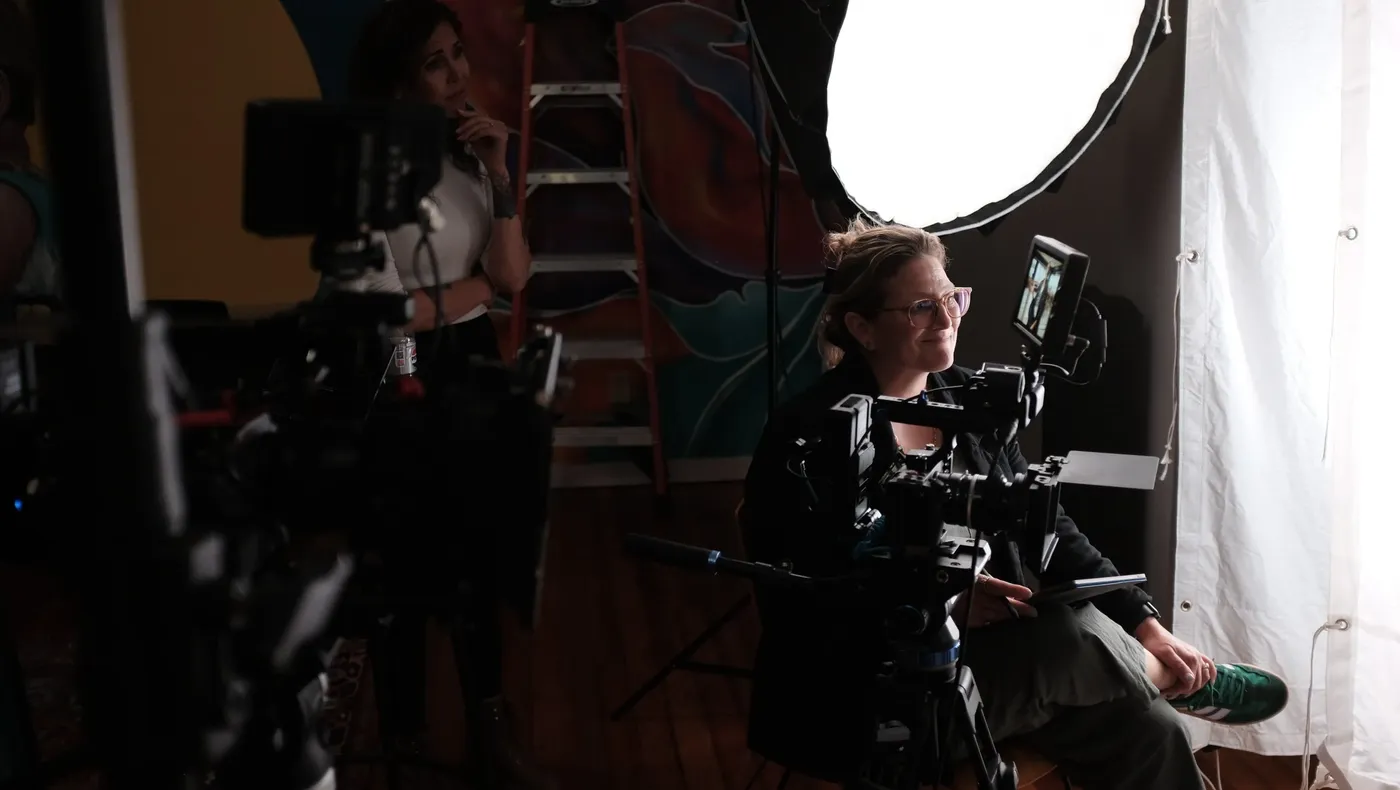
Quotes are from interviews filmed for the series.
Why we’re making it
By amplifying both expert insight and lived experience, we advocate for systemic reform—calling for accountability where real community safety begins: at home. Our documentary series is grounded in four guiding pillars: Awareness. Accessibility. Advocacy. Accountability.
If you’re a subject-matter expert or someone with lived experience in these systems, we invite you to share your story or insight.
A4 Safety Alliance does not endorse any individual, organization, or viewpoint presented. Our goal is to engage with a range of experts to better understand how the system functions in practice. The content is for informational and advocacy purposes only and should not be considered legal advice.